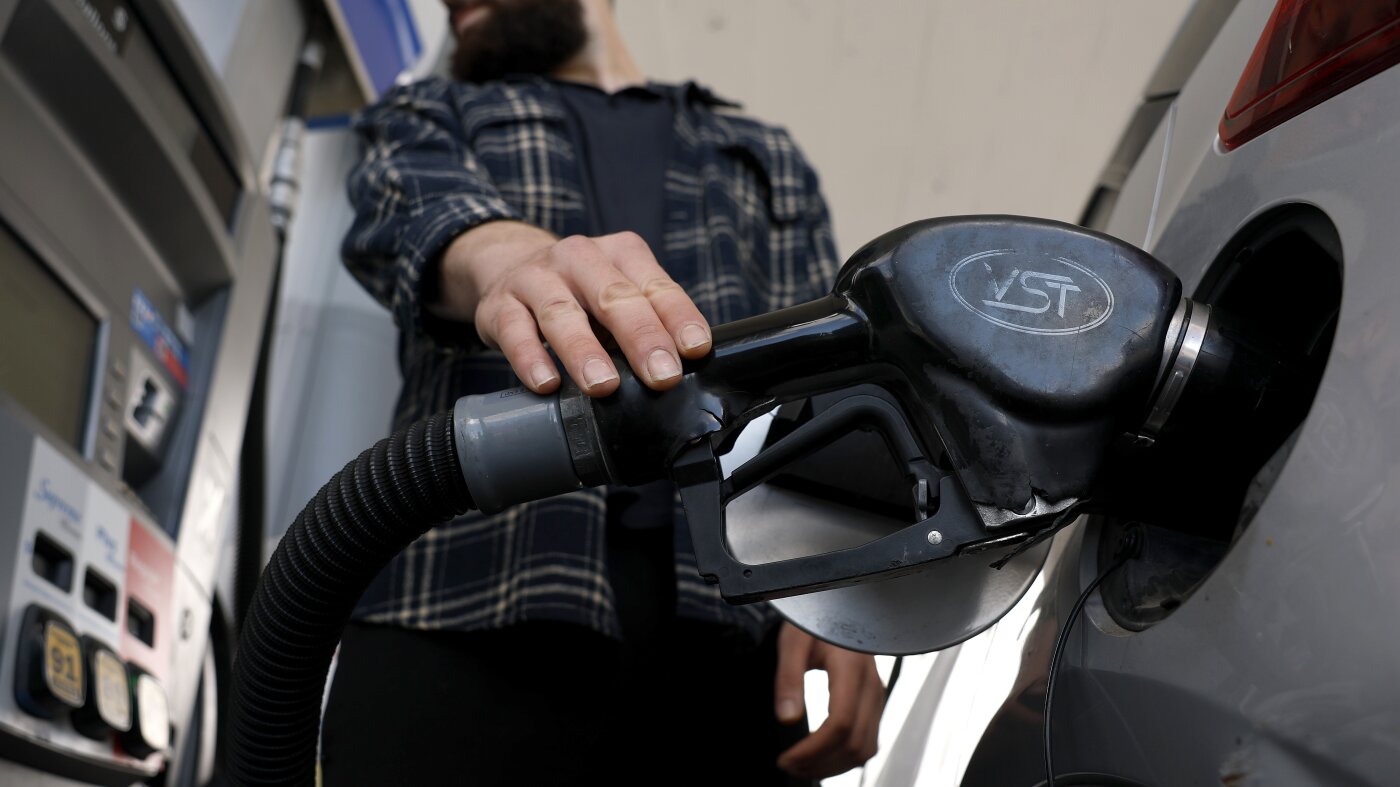
Gas Saving Options 2025 - follows broader market developments shaping trading momentum and investor outlook. With the national average for a gallon of gasoline reaching $4.55 just ahead of one of the busiest travel weekends of the year, consumers are seeking effective ways to cut fuel costs. Options such as driving slower, switching to electric vehicles, or simply avoiding driving altogether are being considered as potential strategies.
Live News
Gas Saving Options 2025 - follows broader market developments shaping trading momentum and investor outlook. Correlating global indices helps investors anticipate contagion effects. Movements in major markets, such as US equities or Asian indices, can have a domino effect, influencing local markets and creating early signals for international investment strategies. According to a report by NPR, the U.S. national average gasoline price stands at $4.55 per gallon as the country enters a peak travel period. The report highlights several approaches drivers might consider to reduce their fuel expenses. Slowing down on highways could improve fuel efficiency, as aerodynamic drag increases at higher speeds. Additionally, the option of transitioning to electric vehicles (EVs) is presented as a long-term solution to reduce dependence on gasoline. For immediate savings, the suggestion to avoid driving altogether—by using alternative transportation, carpooling, or combining errands—is also offered. The report does not prescribe a single best method but rather presents a range of possibilities for consumers to evaluate based on their circumstances.
Gas Prices Hit $4.55: Strategies for Fuel Savings This Travel Weekend Real-time data can highlight momentum shifts early. Investors who detect these changes quickly can capitalize on short-term opportunities.Real-time data analysis is indispensable in today’s fast-moving markets. Access to live updates on stock indices, futures, and commodity prices enables precise timing for entries and exits. Coupling this with predictive modeling ensures that investment decisions are both responsive and strategically grounded.Gas Prices Hit $4.55: Strategies for Fuel Savings This Travel Weekend Investors these days increasingly rely on real-time updates to understand market dynamics. By monitoring global indices and commodity prices simultaneously, they can capture short-term movements more effectively. Combining this with historical trends allows for a more balanced perspective on potential risks and opportunities.Economic policy announcements often catalyze market reactions. Interest rate decisions, fiscal policy updates, and trade negotiations influence investor behavior, requiring real-time attention and responsive adjustments in strategy.
Key Highlights
Gas Saving Options 2025 - follows broader market developments shaping trading momentum and investor outlook. Real-time data also aids in risk management. Investors can set thresholds or stop-loss orders more effectively with timely information. Key takeaways from the report center on the trade-offs between immediate behavioral changes and longer-term vehicle choices. Driving at lower speeds, such as reducing highway speed from 70 mph to 60 mph, could potentially improve fuel economy by several miles per gallon, based on common driving efficiency principles. For those considering an EV, the upfront cost remains a barrier, but lower fueling and maintenance costs may offset it over time. The decision to not drive, through ride-sharing or public transit, offers the most immediate fuel cost savings but may not be practical for all travelers. These options reflect broader consumer responses to elevated gasoline prices, which could influence spending patterns during the holiday travel period.
Gas Prices Hit $4.55: Strategies for Fuel Savings This Travel Weekend Real-time monitoring allows investors to identify anomalies quickly. Unusual price movements or volumes can indicate opportunities or risks before they become apparent.Scenario planning prepares investors for unexpected volatility. Multiple potential outcomes allow for preemptive adjustments.Gas Prices Hit $4.55: Strategies for Fuel Savings This Travel Weekend Many traders have started integrating multiple data sources into their decision-making process. While some focus solely on equities, others include commodities, futures, and forex data to broaden their understanding. This multi-layered approach helps reduce uncertainty and improve confidence in trade execution.Observing market cycles helps in timing investments more effectively. Recognizing phases of accumulation, expansion, and correction allows traders to position themselves strategically for both gains and risk management.
Expert Insights
Gas Saving Options 2025 - follows broader market developments shaping trading momentum and investor outlook. Some traders rely on historical volatility to estimate potential price ranges. This helps them plan entry and exit points more effectively. From an investment perspective, sustained high gasoline prices may affect multiple sectors, though no specific outcomes are guaranteed. Consumer behavior shifts toward fuel efficiency could influence demand in the automotive industry, particularly for EV makers and companies providing energy-saving technologies. Conversely, sectors tied to fossil fuel consumption, such as airlines and traditional automakers, might face margin pressure if travel demand adjusts. Investors may watch for signs of increased electric vehicle adoption or changes in driving habits as gasoline prices remain elevated. However, market reactions would depend on broader economic conditions, including inflation and employment trends. This analysis is for informational purposes only and does not constitute investment advice. Disclaimer: This analysis is for informational purposes only and does not constitute investment advice.
Gas Prices Hit $4.55: Strategies for Fuel Savings This Travel Weekend Correlating global indices helps investors anticipate contagion effects. Movements in major markets, such as US equities or Asian indices, can have a domino effect, influencing local markets and creating early signals for international investment strategies.Access to reliable, continuous market data is becoming a standard among active investors. It allows them to respond promptly to sudden shifts, whether in stock prices, energy markets, or agricultural commodities. The combination of speed and context often distinguishes successful traders from the rest.Gas Prices Hit $4.55: Strategies for Fuel Savings This Travel Weekend Some traders rely on alerts to track key thresholds, allowing them to react promptly without monitoring every minute of the trading day. This approach balances convenience with responsiveness in fast-moving markets.Many investors underestimate the psychological component of trading. Emotional reactions to gains and losses can cloud judgment, leading to impulsive decisions. Developing discipline, patience, and a systematic approach is often what separates consistently successful traders from the rest.